GOOD MEASURE – Premium sweats made in England

Made in England 100%. From fabric to labels to the finished garment GOOD MEASURE make premium quality sweats.

Their initial challenge was to make 480gsm weight cotton, hard to find fabric manufacturers that still do such heavy cotton especially in the north of England but after a long search they seemed to have done it. But what is 480gsm cotton I hear you ask? Well it refers to the weight of the fabric per square meter. Weight effects the drape of a garment when you’re wearing it. With sweats heavy is good. It means the garment has a great handle (how it feels when you touch it), it really feels substantial on the body. Like traditional American sweats of yesteryear.

I’ve been trying to do some digging with regards to sustainability of this brand and whilst their website doesn’t really mention anything about sustainability the fact all their garments and fabrics are made in the UK automatically means it’s better than having it shipped to the UK from somewhere else in the world. UK manufacture probably also means that the people making each garment are paid a decent hourly rate.

All this helps to justify the £120 price tag for each hoodie. One other thing is that the make a limited run of each colour meaning that once they’re gone they’re gone…so you’d better snap one up when you can.

Check out all they have to offer https://www.goodmeasure.co.uk/

#sustainablefashion #hoodie #sweatshirt #sweater #fashion #madeinEngland

Share

Neuw Denim – from Australian Cotton to great Denim

Neuw Denim is a brand I came across in 2018. Initially wowed by the quality of the denim I was encouraged to do some more digging around what the brand stands for and why their jeans cost around €160.

Firstly as I said the jeans are great. Really good fit and a wide range of fits to meet all needs. Better still they really care about their impact on the environment. From selecting Australian Cotton because its the most water-use efficient cotton in the world to putting zero waste water back into the environment every step of the manufacturing process is thought about and monitored. They also go above and beyond when it comes to chemicals used in the raw materials stage (the most polluting stage in the process) . They require all their suppliers to meet strict internationally recognised standards further reducing the impact of their garments.

All this environmental focus is great but as much as we would all like to say that as long as the brand is ethical and environmentally conscious they’re doing well they have to have a style and branding to back this up. The founder of Nuew, Par Lundqvist is a denim fanatic by the sounds of things. He apparently has over 2500 pairs of jeans he’s collected over the years which he uses as a fit record of denim styles over the years. From what is evident on their site this awareness of the rich history of denim has helped to create a brand that has real passion for denim and the subculture around it.

Personally I don’t think denim has ever been cooler. From the days of Marlon Brando and James Dean duking it out over who was the originator of the white T and jeans look to denim with denim in the 90s and again today. A more sustainable approach to manufacture will ensure denim is in everyones wardrobe for a long time to come.

I’m yet to branch out into their other products but if they are made with the same ethical principles and with the same focused approach then I’m sure I won’t be disappointed.

Finally, with 25% of a garment’s carbon footprint coming from they way we look after and wash our garments here are some top tips from Neuw on how to look after your denim:

1/ Reduce the number of times you wash your jeans. We’re big fans of letting denim develop that lived-in look and allowing them to age gracefully. Besides the huge benefit of reducing water use, fewer washes allows your jeans to develop their own look.
2/ Washing in cool or cold water saves energy as well as protects against shrinking.
It’s a good idea to wash your jeans on their own or with similar dark colours the first time you wear them and always turn them inside out. This preserves the indigo dye.
3/ Ditch the dryer and air dry flat instead if you can. Tumble dryers weaken the fabrics fibres. Drying inside on a clothes rack or outside in the shade, this option again saves energy, avoids shrinkage and extends the life of your jeans. If you’re drying outside just turn them inside out to avoid fading.
4/ Use an eco friendly washing detergent sparingly. Harsh chemicals don’t belong on your clothes nor the environment so look for gentle products and preferably liquid over powder which can sometimes leave a residue. Don’t use bleach either. It’s not a friend of denim.
5/ Found a stain? Try spot cleaning instead of a full wash. And adding a little white vinegar to your wash can also help to eliminate any lingering odours as well as act as a softener.
6/ If you’re really committed – hand wash! This uses zero energy other than your own. Soaking in a small amount of detergent, a small cap full, for around 30 minutes should do the trick.
7/ Finally, when in doubt, read the care label!

Check out Neuw Denim for yourself at https://neuwdenim.com/eu/

Want to add a caption to this image? Click the Settings icon.
#sustainablefashion #denim #classics #fashion #sustainablemans #susmans

Share

Naked Denim? Brands we like…

Another Denim brand that is doing great things more with quality and price in mind than sustainability but perhaps they both go hand in hand? So Naked & Famous Denim produces raw denim jeans from the best Japanese denim in a wide variety of fits and sizes. They claim to regularly head to Japan to find out what the best denim makers in the world are up to. They aren’t simply looking for great quality denim but also features like reflective denim, scratch&sniff smelling jeans and new blends such as cashmere. It all sounds like a brand that is looking for not only the best in denim but also adding to the rich history of the fabric.

So a bit more about the brand. Once they’ve found the fabrics they want to use they take them back to their factory in Canada where their jeans are made. Canada and Japan both have a good reputation for ethical manufacture so although this may not be up there on the sustainability front it sounds like at least fair wages are being paid at the base level. So what’s the cost of all this then? Well jeans start at $135USD which isn’t exactly cheap but the beauty of raw denim is that is lasts and lasts and is made to be repaired, and truth be told looks better when it has been. The price when you look at the quality of manufacture and raw material is actually really good. Think how many wears you’ll get out of these and I think it starts to look like good value. Also this is a company that doesn’t inflate its prices so it can pay for expensive marketing campaigns of celeb endorsements. It just relies on word of mouth from happy customers…I guess that means the product speaks for itself.

So what exactly is raw denim? We it refers to the way the fabric is treated or in the case of raw denim not treated. Raw denim isn’t washed or stained or distressed. This means you are in effect getting a blank canvas which will mould and shape around you and how you wear them. There is nothing better than a pair of raw selvage jeans that have been worn in over months without washing. Check out my post about NEUW denim for washing tips and getting the most from your jeans.

One final thing to say is that raw selvage denim is both an investment and a labour of love. An investment because they look best after a year of wearing. A labour of love because they aren’t the softest pair of jeans when you first wear them. Take my word for it though, once you’ve owned a pair of raw denim jeans and really broken them in nothing with ever come close to the fit you’ll get.

Check out their full range and more about the brand at https://www.nakedandfamousdenim.com/

#fashion #buylesschoosewell #denim #sustainableman #sustainablefashion #slowfashionmovement #livedindenim

Share

Small batch fabric production in Wales

On a recent trip to Wales I came across a woollen mill close to where I was staying. Always keen to explore locally produced fabrics I had to take a look. I wasn’t disappointed.

The mill opened in 1859 in a small village called Trefiew, where they have been spinning locally sourced wool to make fabrics the patterns for which have been handed down for generations. It was amazing to see such history in what they are doing. More amazing still I recognised one of the patterns as that of a blanket given to me by my great Aunt who was born and raised in Wales. I was told that the if the blanket I had didn’t have a boarder then it predated 1930 which it certainly does.

Walking through the weaving rooms I came across the generator that powers the mill. Not normally something I’d be hugely interested in but I was amazed to find that the whole mill was run using a water powered generator supplied by lakes further up the valley. In terms of the carbon footprint each meter of fabric creates it must be tiny. Wool from within five miles of the mill, water power producing electricity powering the looms, local plants and herbs producing the dyes. This is how material should be produced.

The low carbon footprint did leave me thinking about the fashion industry as a whole. This fabric is great and would make a fantastic overshirt or jacket however, due to the small production runs the cost of each meter is very high so there is no margin. The answer of producing more to reduce the cost per meter is one that works in a consumer driven model but one that doesn’t work in an environmentally considered one. I guess we all need to consider what goes into the production of the clothes and textiles we buy. When all this is said and done though, £96 per meter of fabric doesn’t seem much at all when it makes a blanket that is been handed down three generations…something to think about when considering the average 2.2years someone has one garment before getting rid of it.

Share

Launching our KickStarter Campaign

This has always been on the roadmap as a way of launching new products and we feel timing is finally right. We’ve put a load of work into product and brand development and we’re ready to showoff what we want to bring into production.

Building on the outerwear we launched last year, we’re looking to expand the range and bring a more casual urban feel to the next jacket. To do this we have opted to use waxed cotton. This is for three key reasons.
ONE waxed cotton is weather ready. The waxed coating enables the fabric to resist water and wind making it perfect for people who look to more active means of travel whether walking or cycling.
TWO waxed cotton, unlike manmade petrochemical based fabrics such as polyester, doesn’t impact the environment in the same way. We have used sustainably sourced waxed cotton to lessen the environmental impact of each Jacket resulting in a garment that looks great without costing the earth. We’ll go into more detail on this in a moment.
THREE We love the way waxed cotton patinas over time meaning each garment ends up looking unique to the person who wears it.

Anyway back to the tricky subject of sustainable fabric. This is a tricky one because the various ways fabrics are made. Cotton is a natural fibre unlike polyester which is made by refining oil. Cotton does, however, borrow a lot of water. The Aral Sea has been all but obliterated since the 1960s by irrigation projects in Russia primarily for the growth of Cotton. Since then water consumption and the use of pesticides has been more of a consideration for responsible producers of cotton and in turn more of a consideration for responsible brands such as SAMVÆR. The downside of this though is the increase of cost to the consumer. We will do our bit if you support us and enable us to use fabrics that don’t cost the earth…

Share

Our Unisex Jacket Project

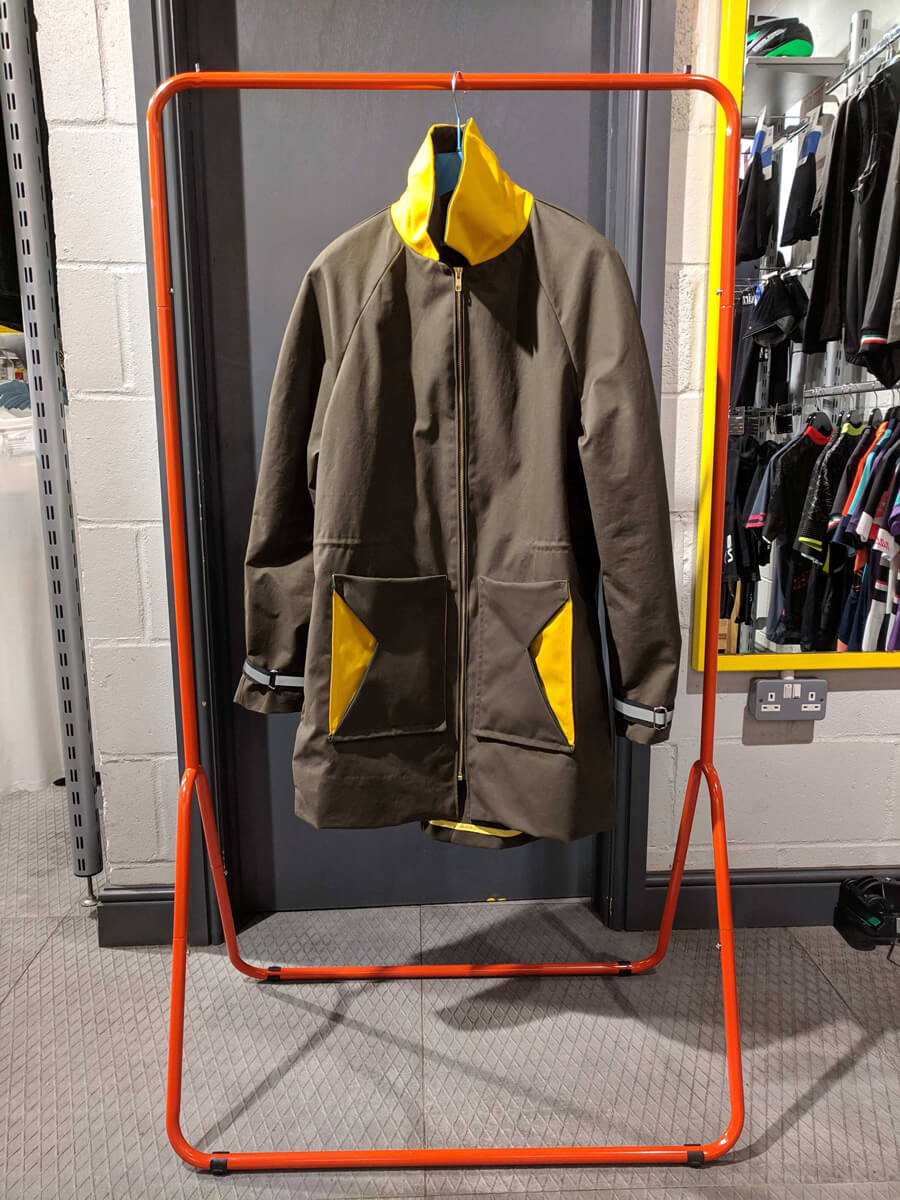
Since our launch we have been asked when we are doing a women’s jacket.  This has always something that we’ve wanted to do and we have finally got our first prototype created.  However, we wanted to create a jacket that could be worn by anyone, focusing more on how the wearer styles it than how it looks on the hanger or whether it was a men’s jacket or a women’s jacket.

We have stuck to our design principles making sure we create something that lasts both in terms of quality and style.  Using UK made sustainable waxed cotton fabric from British Millerain and design elements taken from our other garments we feel we’ve created a garment that fits perfectly with our existing pieces.

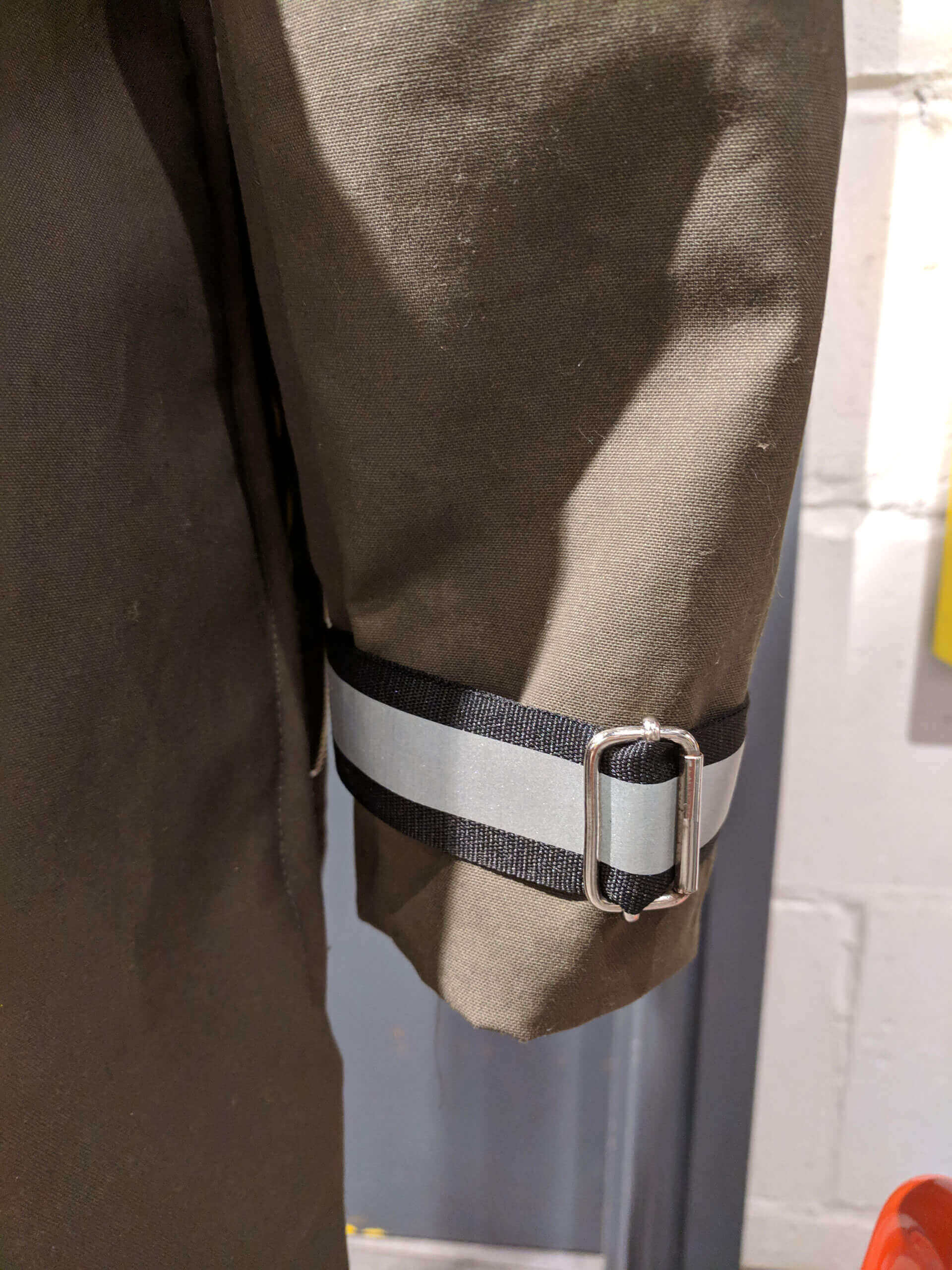
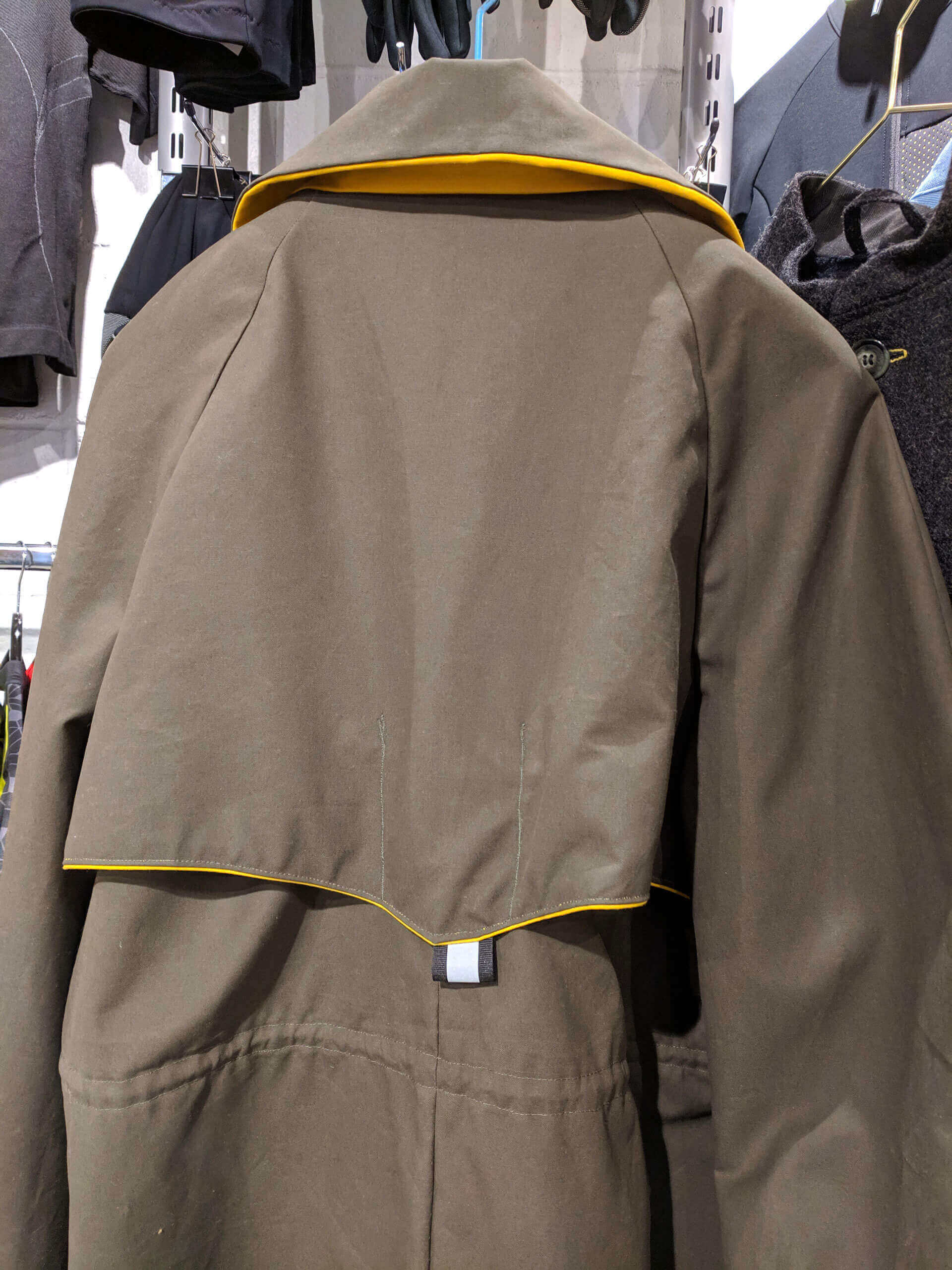
As always we’ve incorporated some cycle specific features such as HiVis fastening on the cuffs, HiVis tab on the back plus some side seam zips meaning, despite the length, it’s still very much a cycle jacket at heart.  This is all coupled with the durable weather resistant waxed cotton.

We’ll be showcasing a complete range of pictures in a few weeks after our customer feedback session next week so watch this space.  Here are some of the details that have already made it into the sample…

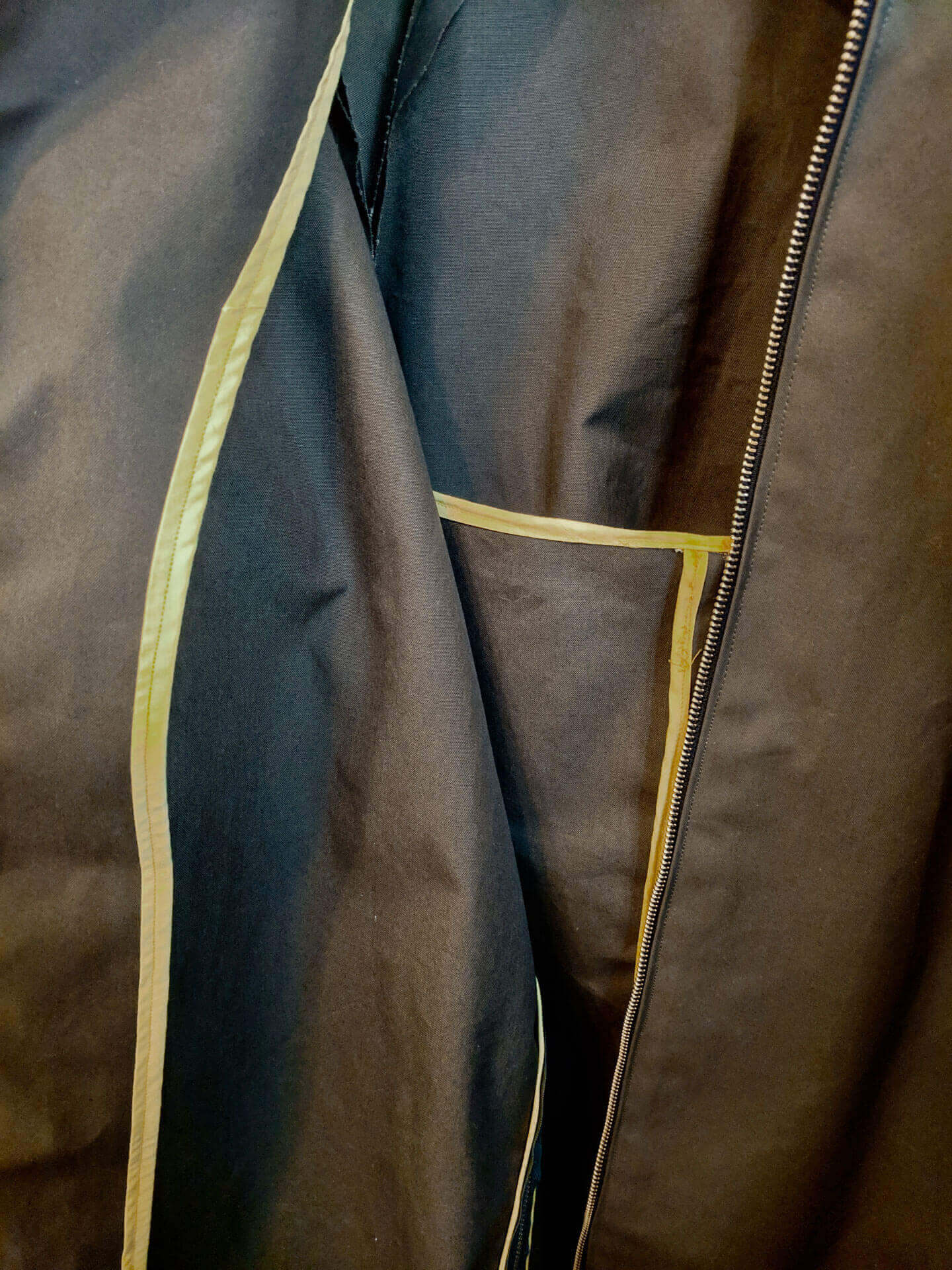
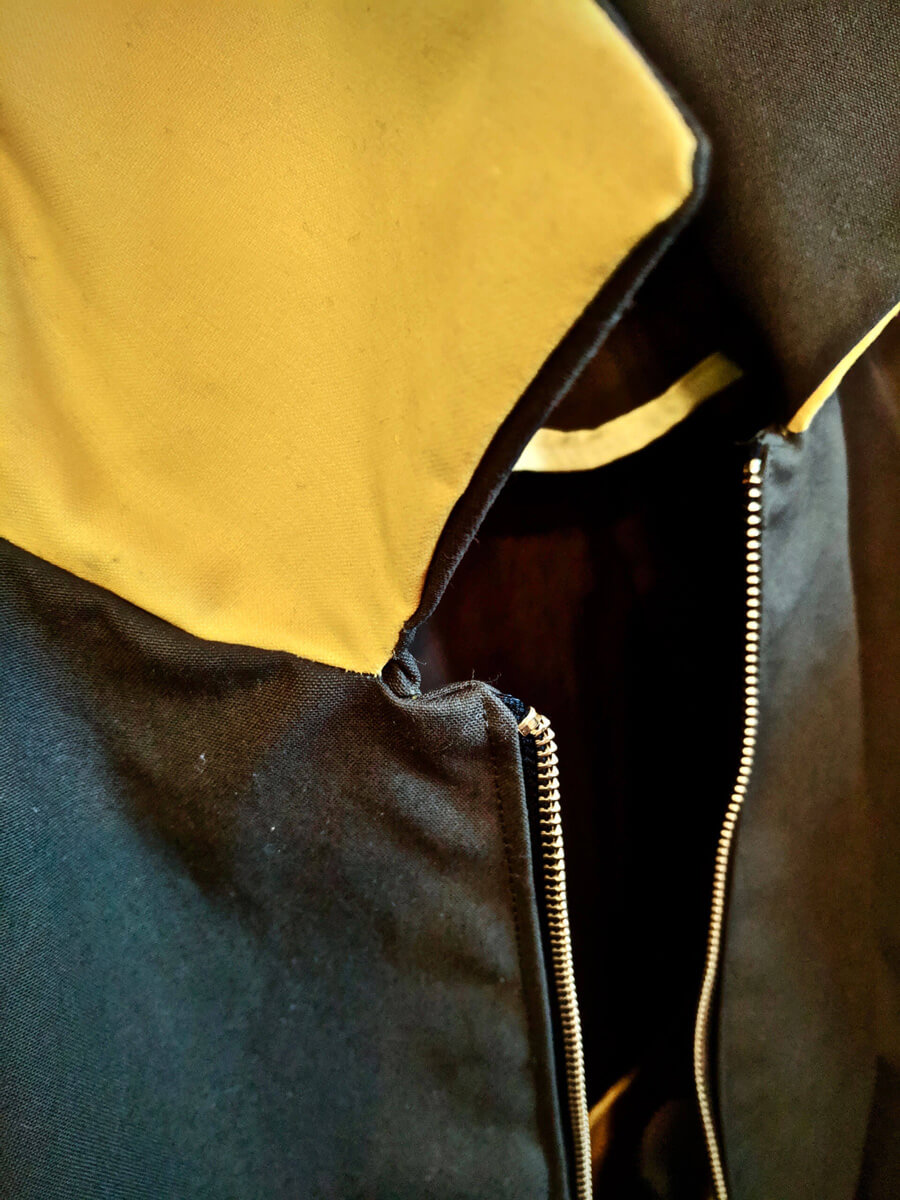
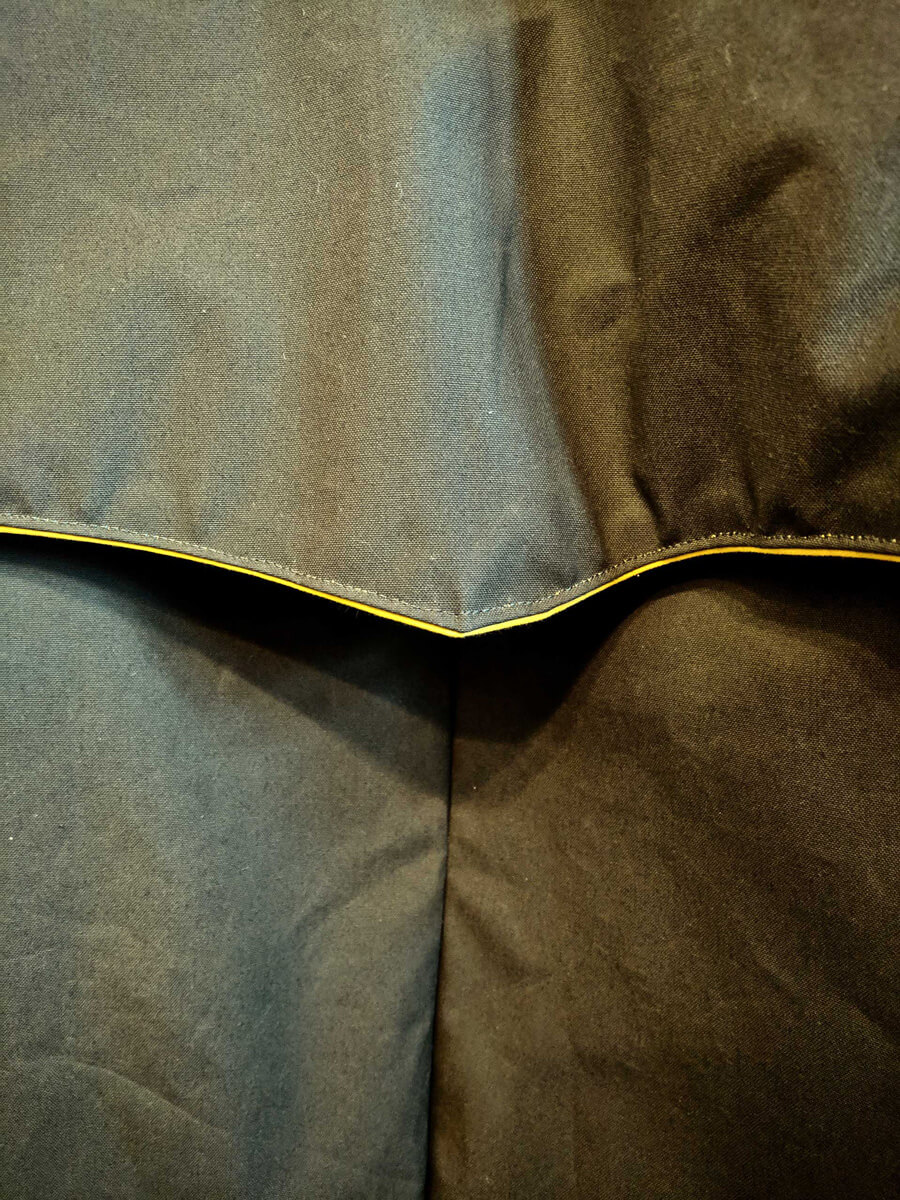
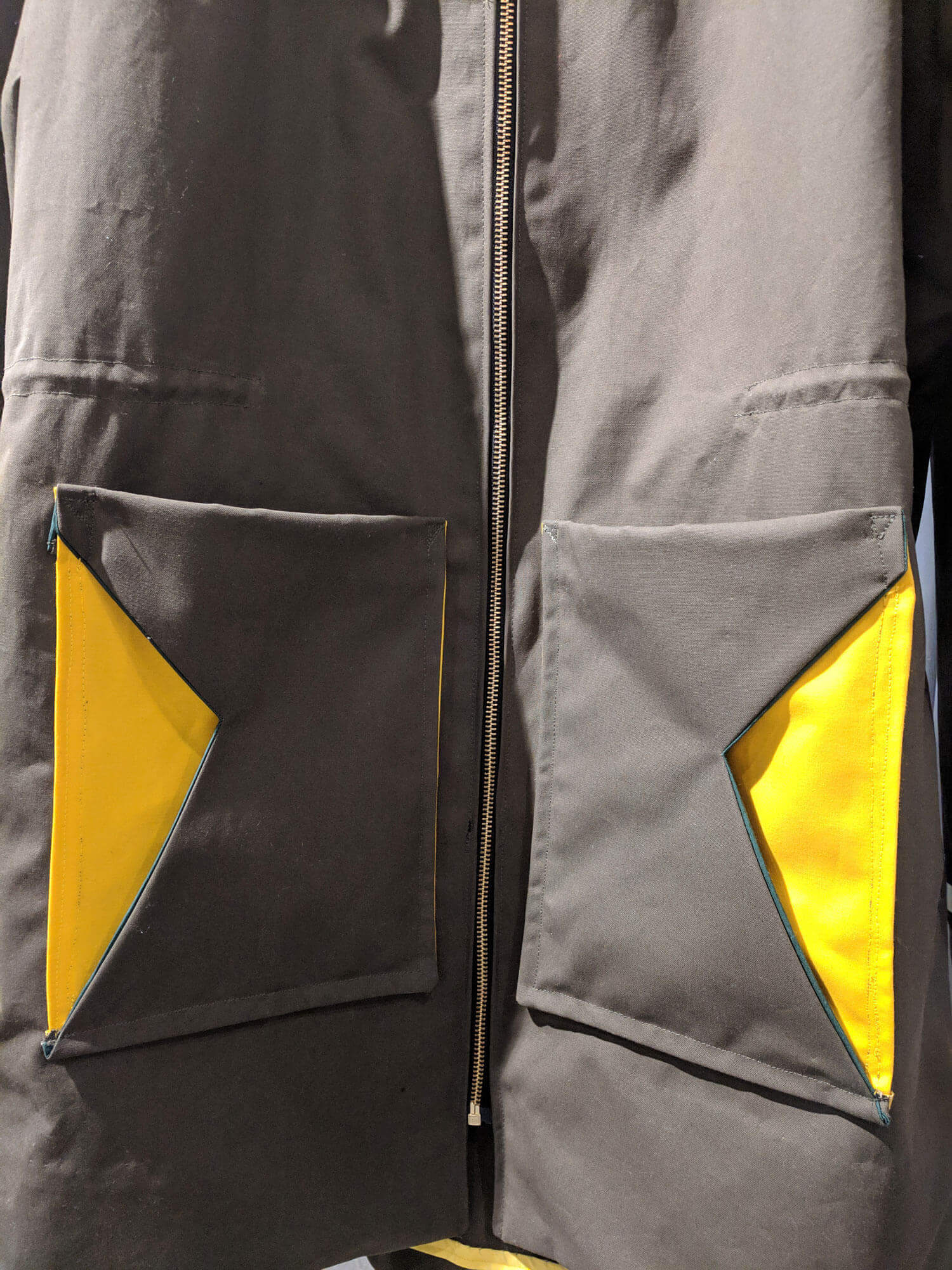
Waxed Cotton, YKK Zips, Bias Binding finishing the seams, splashes of Yellow waxed cotton adding some lovely details.

Share

Why we’ve changed our mind on Black Friday…

We posted on instagram that we will be offering some Black Friday deals this Friday along with thousands of other brands.  Since we did this we have had a change of heart and thought we’d take the time to explain why.

There are a number of reasons why we’ve changed our mind and it has certainly been influenced by some other the brands we look to and aspire to be like and their decision to turn their back on Black Friday.  One thing we would like to be very clear about we don’t price our garments and accessories simply to mark them down.  We make them with love, care and attention.  We use UK made fabrics, UK manufacture and we pay for that quality so we can pass it on to you.

We believe that the hard work of people like Hillary who made our range of jackets or Anne who sewed every backpack we sell should have they’re hard work valued at it’s full.  If we’re all honest we don’t need 10 jackets or 5 backpacks but something new every now and then is what we work hard for and that hard work, the treat at the end of it, should last.

To Quote Vivienne Westwood “Buy less, choose well, make it last”

If you would like to buy a backpack that is limited to a run of 16 pieces, or an overshirt that will serve you well over time, built to last then we’re hear to provide that.  If you want discounted products that are a bargain this Friday then the internet is a huge and varied place.  Don’t buy just because it’s a bargain, buy because you value the work and time that has gone into it.

Share

Building a brand

Turning Samvær into something more than just a jacket has been a hard process and one that has been a time consuming process.  Since November last year and attending Finders Keepers, a market in the heart of Copenhagen designed for new brands to showcase their products, we have launched our first brand space in a store and launched a stall on the prestigious Spitalfields Market in London.  We have also grown our product range and firmly set out our brand ethos too.

To achieve this we had to really strip everything back.

The launch of our jacket went well and was well received by those interacting with the brand and our products but only when they had the hands on experience, hard for an online brand.  We had to create opportunities to get in front of people and talk to them about our products.  Speaking with customers directly really highlighted what it was about Samvær that people liked and what is was that resonated with them.  Spitalfields Market at Liverpool Street in London was a great chance to speak to customers face to face and it taught us a lot.  It’s great to see that people are really interested in understanding where each garment is made and the environmental impact is production has on the wider world.

The fundamental learning, however, was “if you shout louder than anyone else, you’ll do well”.  Being a new brand with limited means makes shouting loud very hard…but the glimmer of light at the end of this tunnel is that audiences are getting far more contentious and proactive in looking for new brands that are a reflection of their attitudes to consumerism and fashion.  It was this attitude that made us look at the brand and think about how we can be more environmentally friendly.

All our garments have a technical focus whether it be water resistant wool or the incorporation of subtle Hi-Vis design features.  But we want to do more.  As a result we are looking to use more and more carbon neutral, organic, sustainable and ethically produced fabrics.  We are also looking into the production of our first lightweight rain coat made from recycled ocean plastics and an expansion on our very popular Bamboo Viscose Ts.

With that in mind our next blog will take a ‘behind the scenes’ look at the production of our first unisex jacket which we’re hoping to roll out in a big way…watch this space…

Share

Design Market: Finders Keepers Copenhagen

Going big or going home?

As part of the launch of Samvaer reaching our target audience is one of the hardest challenges facing us.

As part of the launch of Samvaer reaching our target audience is one of the hardest challenges facing us. In order to test the market and find out what potential customers really think of our garments we have taken a leap of faith by attending Finders Keepers in Copenhagen. Finders Keepers has been created with the intention of enabling new brands to meet customers in a more affordable way by charging a reasonable amount for a stall at a two day market.
Writing this during a brief break on day one of the market a lot has been learned already. Sales are not an easy thing to come by but it is great seeing people try on the jacket and shirt and comment on it. Feedback has been very good even if people are a little reluctant to reach into their pockets.
Theoretically Denmark should be the perfect audience for Samvaer. Nine out of every 10 Danes own a bike and cycling accounts for 26% of all journeys less than 6km. Additionally 75% of bike traffic in Copenhagen continues in winter. These stats stack up when you’re trying to launch a clothing brand designed for the design conscious cyclist.
Lunch over it’s time to meet some more potential customers and see if we can convert some of the lovely smiles into sales…to be continued…
Share