Naked Denim? Brands we like…

Another Denim brand that is doing great things more with quality and price in mind than sustainability but perhaps they both go hand in hand? So Naked & Famous Denim produces raw denim jeans from the best Japanese denim in a wide variety of fits and sizes. They claim to regularly head to Japan to find out what the best denim makers in the world are up to. They aren’t simply looking for great quality denim but also features like reflective denim, scratch&sniff smelling jeans and new blends such as cashmere. It all sounds like a brand that is looking for not only the best in denim but also adding to the rich history of the fabric.

So a bit more about the brand. Once they’ve found the fabrics they want to use they take them back to their factory in Canada where their jeans are made. Canada and Japan both have a good reputation for ethical manufacture so although this may not be up there on the sustainability front it sounds like at least fair wages are being paid at the base level. So what’s the cost of all this then? Well jeans start at $135USD which isn’t exactly cheap but the beauty of raw denim is that is lasts and lasts and is made to be repaired, and truth be told looks better when it has been. The price when you look at the quality of manufacture and raw material is actually really good. Think how many wears you’ll get out of these and I think it starts to look like good value. Also this is a company that doesn’t inflate its prices so it can pay for expensive marketing campaigns of celeb endorsements. It just relies on word of mouth from happy customers…I guess that means the product speaks for itself.

So what exactly is raw denim? We it refers to the way the fabric is treated or in the case of raw denim not treated. Raw denim isn’t washed or stained or distressed. This means you are in effect getting a blank canvas which will mould and shape around you and how you wear them. There is nothing better than a pair of raw selvage jeans that have been worn in over months without washing. Check out my post about NEUW denim for washing tips and getting the most from your jeans.

One final thing to say is that raw selvage denim is both an investment and a labour of love. An investment because they look best after a year of wearing. A labour of love because they aren’t the softest pair of jeans when you first wear them. Take my word for it though, once you’ve owned a pair of raw denim jeans and really broken them in nothing with ever come close to the fit you’ll get.

Check out their full range and more about the brand at https://www.nakedandfamousdenim.com/

#fashion #buylesschoosewell #denim #sustainableman #sustainablefashion #slowfashionmovement #livedindenim

Share

Small batch fabric production in Wales

On a recent trip to Wales I came across a woollen mill close to where I was staying. Always keen to explore locally produced fabrics I had to take a look. I wasn’t disappointed.

The mill opened in 1859 in a small village called Trefiew, where they have been spinning locally sourced wool to make fabrics the patterns for which have been handed down for generations. It was amazing to see such history in what they are doing. More amazing still I recognised one of the patterns as that of a blanket given to me by my great Aunt who was born and raised in Wales. I was told that the if the blanket I had didn’t have a boarder then it predated 1930 which it certainly does.

Walking through the weaving rooms I came across the generator that powers the mill. Not normally something I’d be hugely interested in but I was amazed to find that the whole mill was run using a water powered generator supplied by lakes further up the valley. In terms of the carbon footprint each meter of fabric creates it must be tiny. Wool from within five miles of the mill, water power producing electricity powering the looms, local plants and herbs producing the dyes. This is how material should be produced.

The low carbon footprint did leave me thinking about the fashion industry as a whole. This fabric is great and would make a fantastic overshirt or jacket however, due to the small production runs the cost of each meter is very high so there is no margin. The answer of producing more to reduce the cost per meter is one that works in a consumer driven model but one that doesn’t work in an environmentally considered one. I guess we all need to consider what goes into the production of the clothes and textiles we buy. When all this is said and done though, £96 per meter of fabric doesn’t seem much at all when it makes a blanket that is been handed down three generations…something to think about when considering the average 2.2years someone has one garment before getting rid of it.

Share

Our Unisex Jacket Project

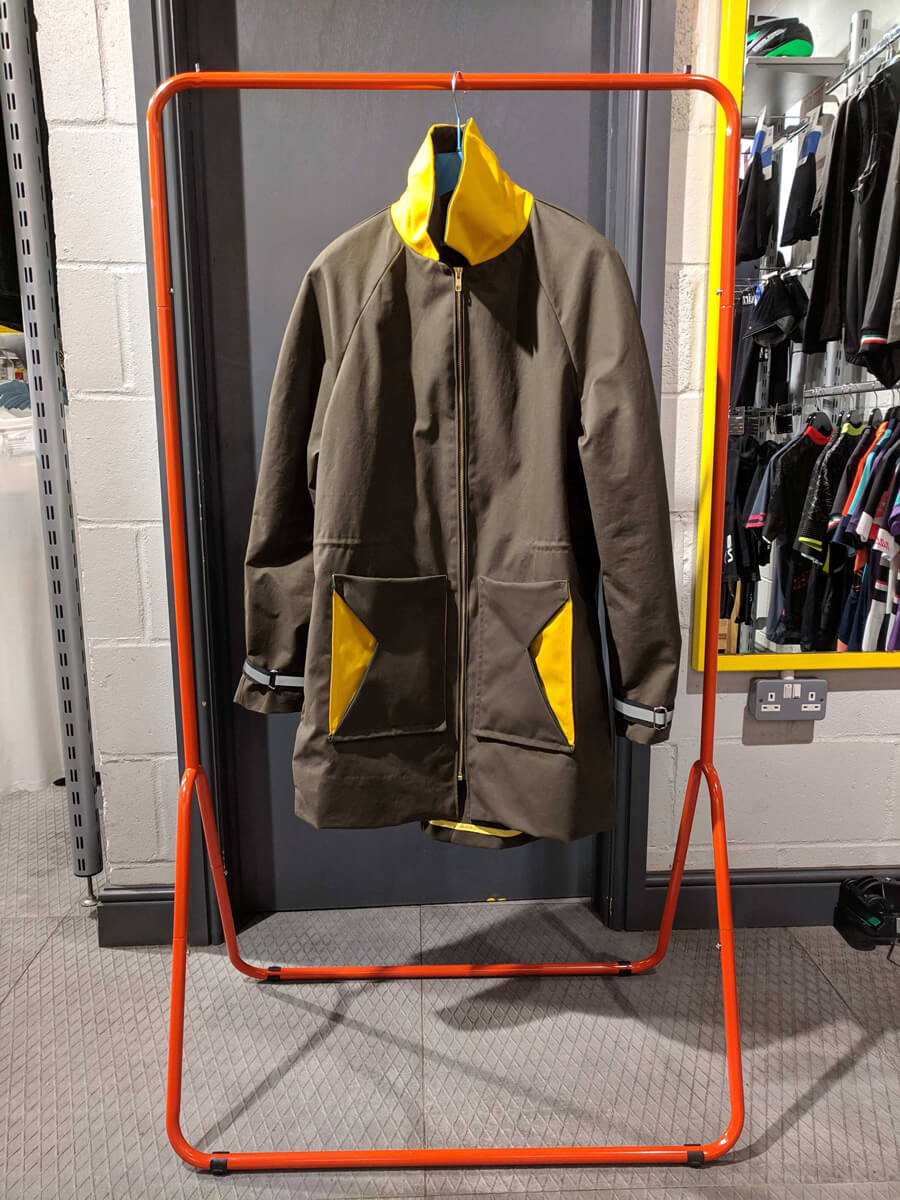
Since our launch we have been asked when we are doing a women’s jacket.  This has always something that we’ve wanted to do and we have finally got our first prototype created.  However, we wanted to create a jacket that could be worn by anyone, focusing more on how the wearer styles it than how it looks on the hanger or whether it was a men’s jacket or a women’s jacket.

We have stuck to our design principles making sure we create something that lasts both in terms of quality and style.  Using UK made sustainable waxed cotton fabric from British Millerain and design elements taken from our other garments we feel we’ve created a garment that fits perfectly with our existing pieces.

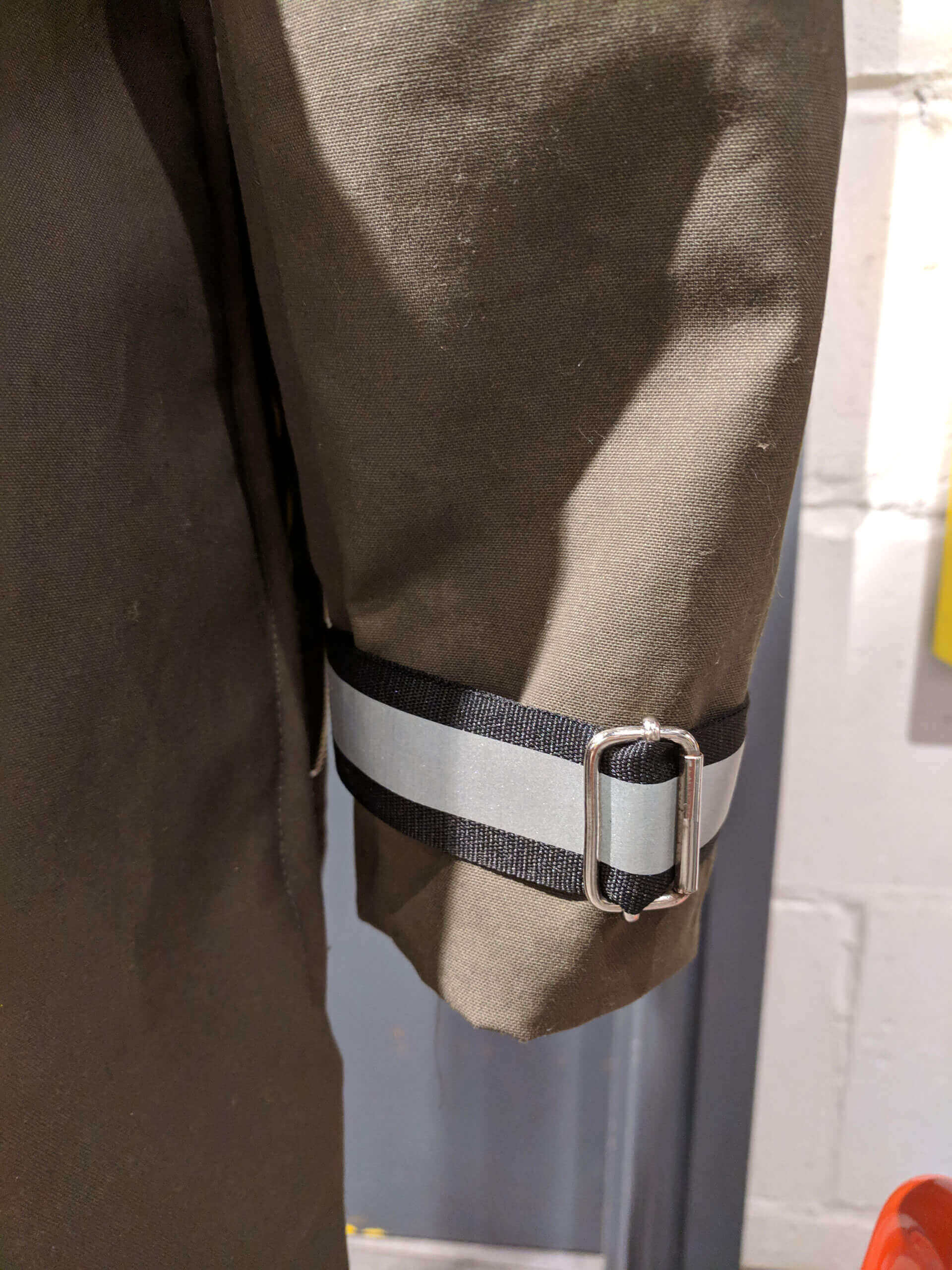
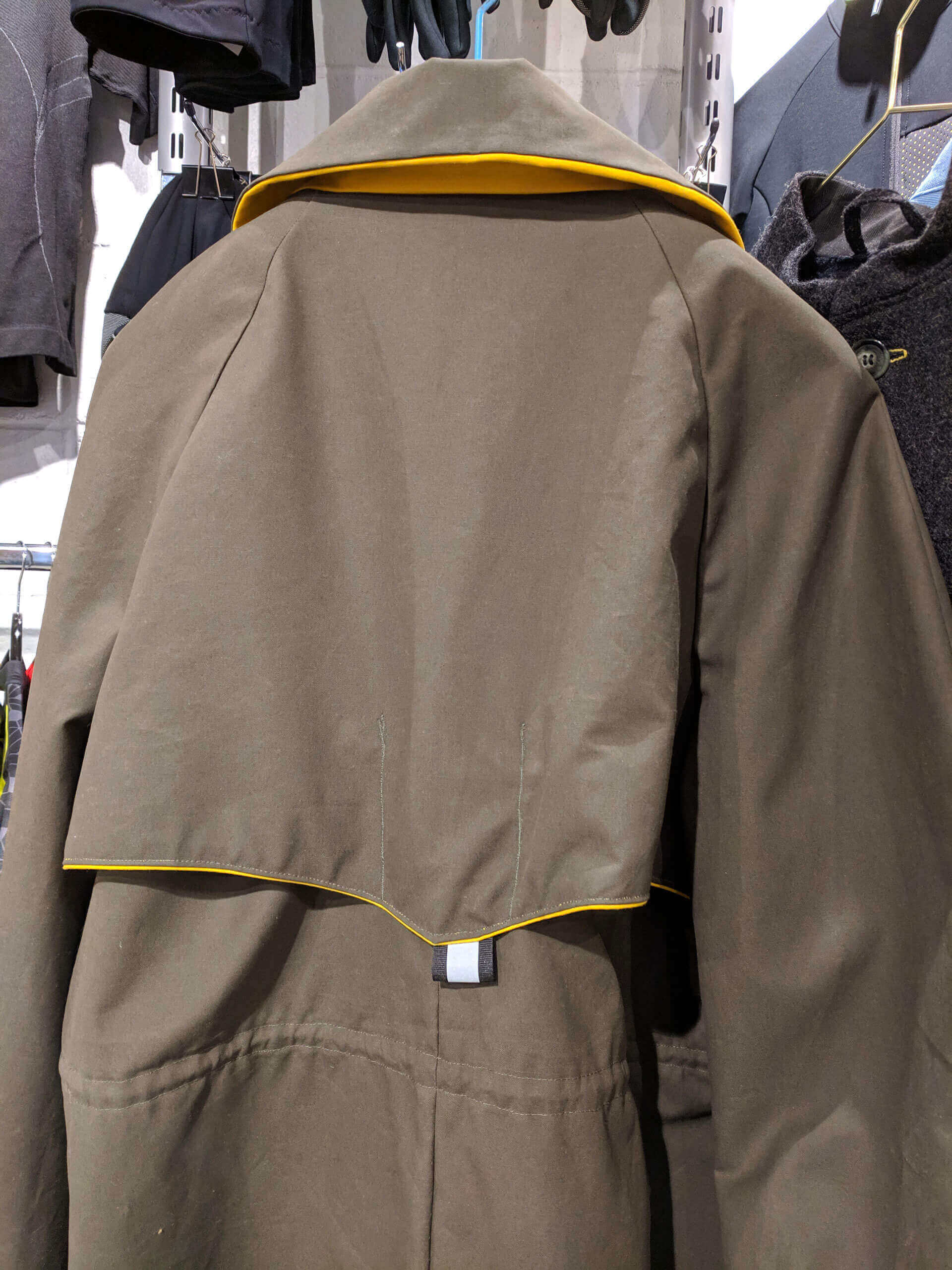
As always we’ve incorporated some cycle specific features such as HiVis fastening on the cuffs, HiVis tab on the back plus some side seam zips meaning, despite the length, it’s still very much a cycle jacket at heart.  This is all coupled with the durable weather resistant waxed cotton.

We’ll be showcasing a complete range of pictures in a few weeks after our customer feedback session next week so watch this space.  Here are some of the details that have already made it into the sample…

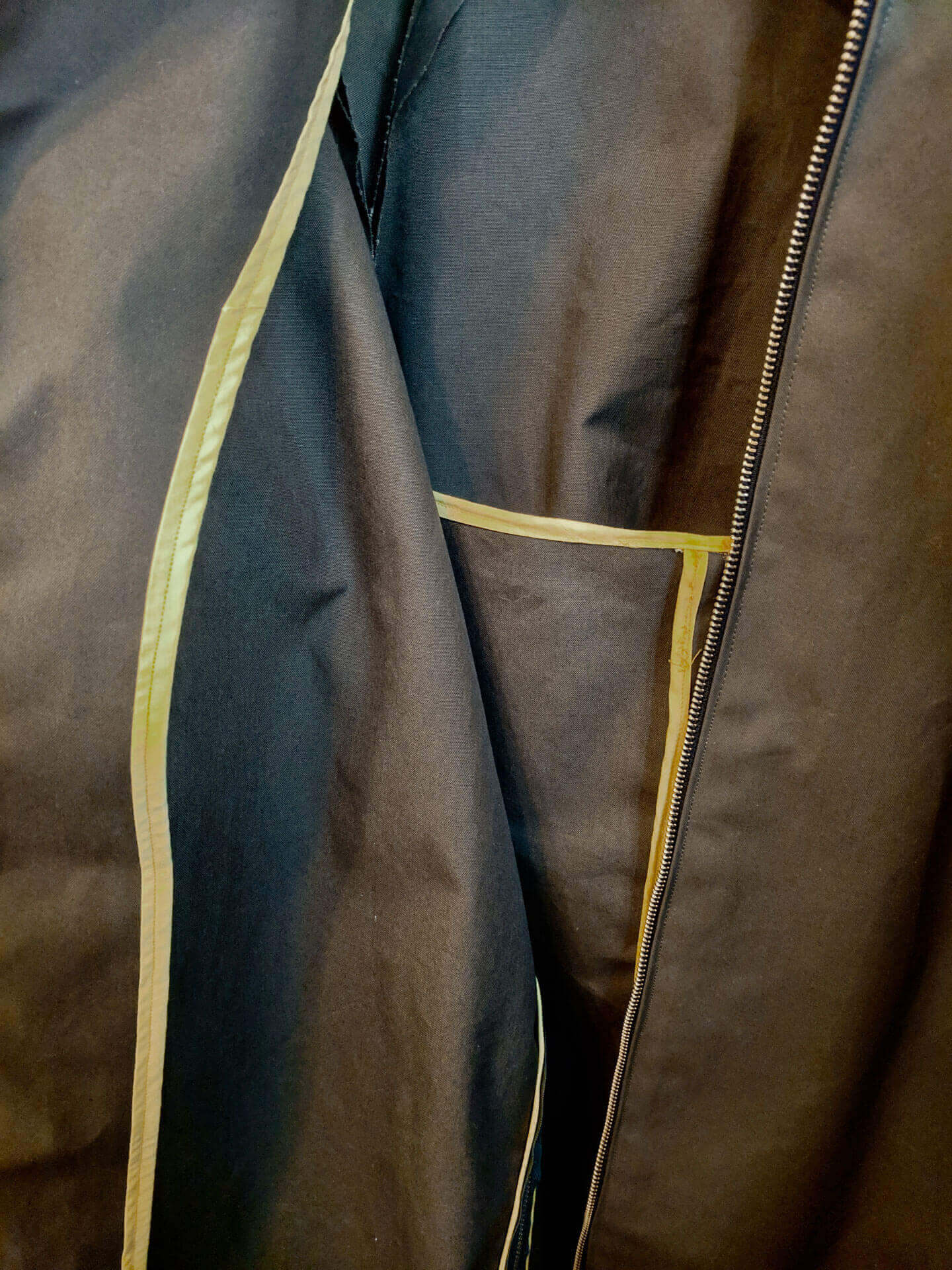
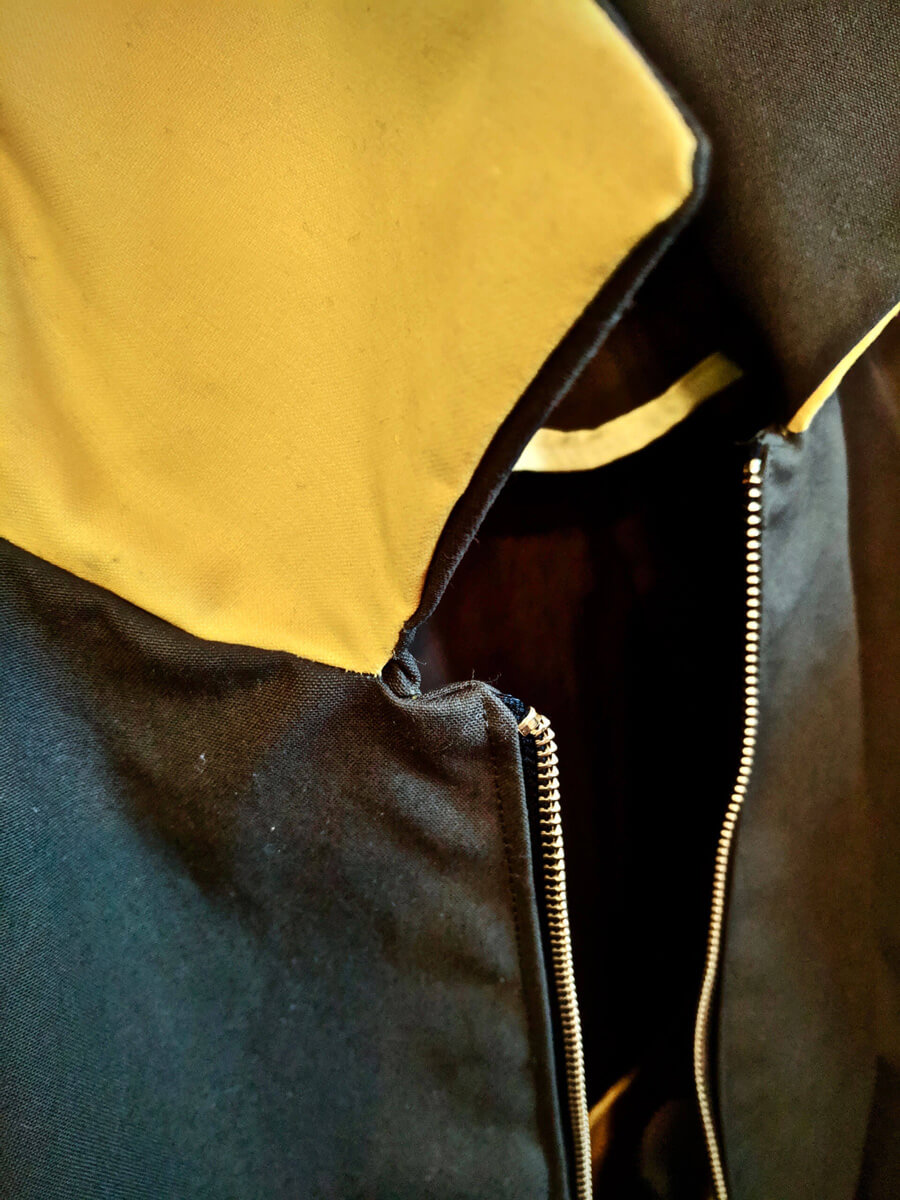
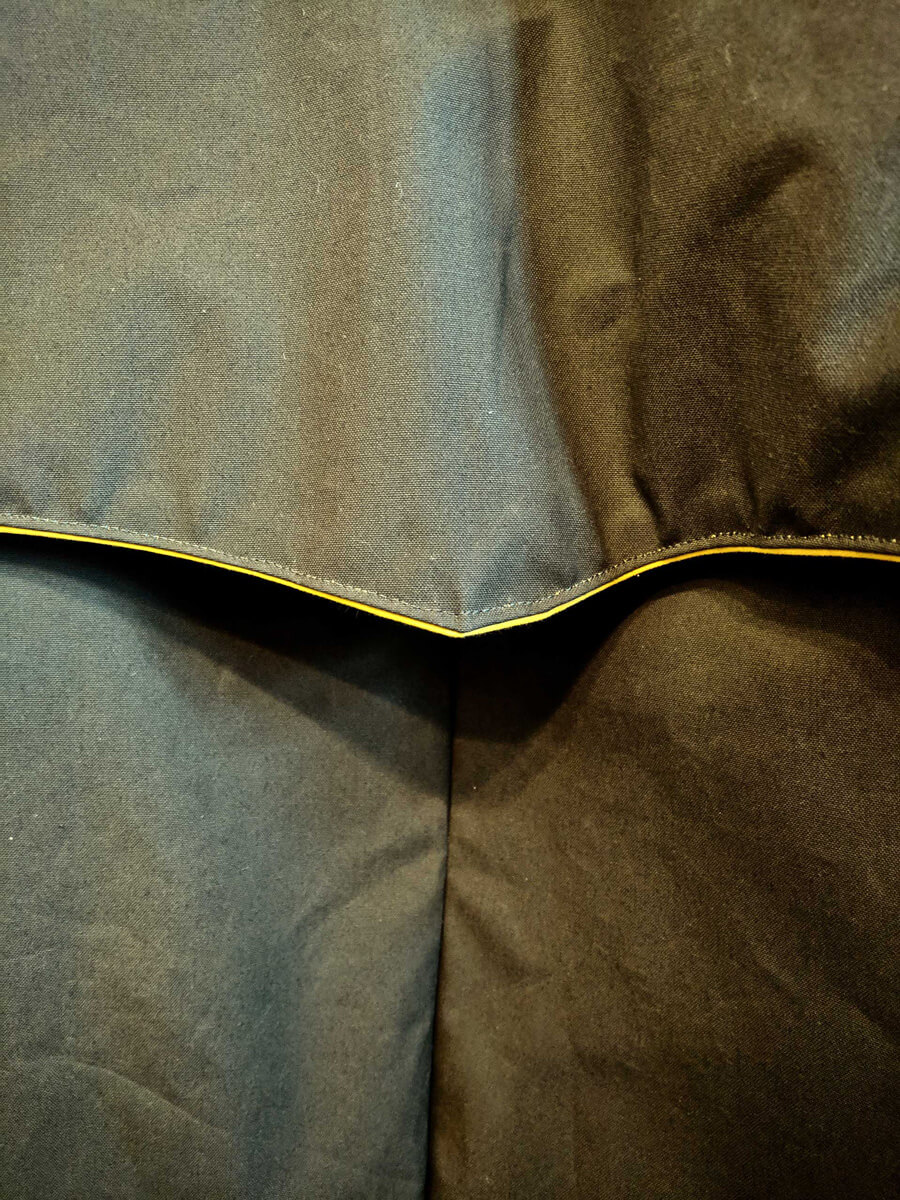
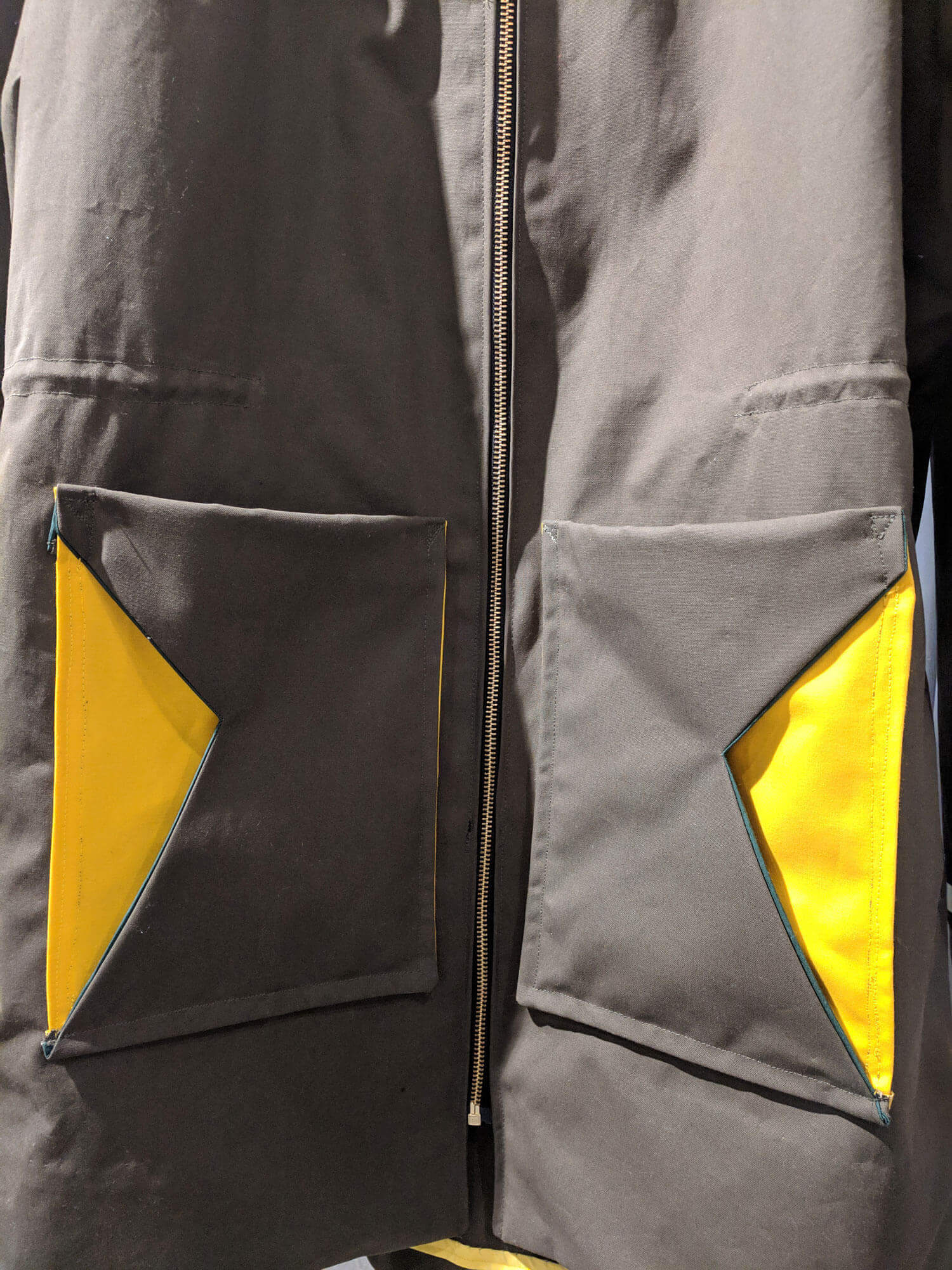
Waxed Cotton, YKK Zips, Bias Binding finishing the seams, splashes of Yellow waxed cotton adding some lovely details.

Share

Building a brand

Turning Samvær into something more than just a jacket has been a hard process and one that has been a time consuming process.  Since November last year and attending Finders Keepers, a market in the heart of Copenhagen designed for new brands to showcase their products, we have launched our first brand space in a store and launched a stall on the prestigious Spitalfields Market in London.  We have also grown our product range and firmly set out our brand ethos too.

To achieve this we had to really strip everything back.

The launch of our jacket went well and was well received by those interacting with the brand and our products but only when they had the hands on experience, hard for an online brand.  We had to create opportunities to get in front of people and talk to them about our products.  Speaking with customers directly really highlighted what it was about Samvær that people liked and what is was that resonated with them.  Spitalfields Market at Liverpool Street in London was a great chance to speak to customers face to face and it taught us a lot.  It’s great to see that people are really interested in understanding where each garment is made and the environmental impact is production has on the wider world.

The fundamental learning, however, was “if you shout louder than anyone else, you’ll do well”.  Being a new brand with limited means makes shouting loud very hard…but the glimmer of light at the end of this tunnel is that audiences are getting far more contentious and proactive in looking for new brands that are a reflection of their attitudes to consumerism and fashion.  It was this attitude that made us look at the brand and think about how we can be more environmentally friendly.

All our garments have a technical focus whether it be water resistant wool or the incorporation of subtle Hi-Vis design features.  But we want to do more.  As a result we are looking to use more and more carbon neutral, organic, sustainable and ethically produced fabrics.  We are also looking into the production of our first lightweight rain coat made from recycled ocean plastics and an expansion on our very popular Bamboo Viscose Ts.

With that in mind our next blog will take a ‘behind the scenes’ look at the production of our first unisex jacket which we’re hoping to roll out in a big way…watch this space…

Share

Looking at the fabric making process – Traditional Meets hightech

This cavernous room is full of thread, cones and cones of it ready to be woven. Marton Mills hold a huge range of fabric as stock meaning that smaller niche brands can make the most of their fabrics.

When choosing our fabrics we wanted to make sure that we got the finest in both quality and the technical features we were looking for. We visited Marton Mills in Yorkshire to find out more about how they do things.

Stage One- The Winding

All the woven fabrics start life as cones of thread. The cones pictured are for a Navy and Olive green tartan. Each cone has about 10km of thread on it and hundreds of cones can be used in the making of a single tartan or tweed.

Once the Cones have been dyed the desired colour they are placed onto a machines used for the Warping process. This stage of the fabric making process uses a mad looking machine and is incredibly labour intensive.

The cones are placed onto the Warping machine following a set order – this order determines the pattern of the tartan or fabric. The Warping machine which reminded me of some sort of telephone exchange or the points on a train line – each thread has to be hand tied onto the other side of the machine before being ‘spun’ onto the Warp Bank (like a huge drum covered in thread).

Once the thread is on the warp bank the whole ‘roll’ is transferred to the loom. This is what most people think of when they think fabric milling. This piece of kit hasn’t really changed much since it’s design in 1784, the principles are the same although steam power and child labour are both things of the past (well, in Yorkshire they are).

You can see how the bands of coloured thread form the pattern. This is where the ‘Warp’ and the ‘Weft’ are brought together actually making the fabric. The machines in this room were so noisy we had to wear ear defenders – it’s such an amazing mechanical process. At Marton they have two banks of 10 looms running 24 hours a day 6 days a week, although this may go back to 7 days as business is booming in the UK fabric industry, especially for high quality fabrics such as those made by Marton.

The fabric being milled on this loom is actually a showcase piece highlighting the broad range of colours Marton make. The black and white fabric [pictured below] has a herringbone design, the same as our classic winter jacket, traditional and timeless. Apparently the design dates back to 500 BC when Roman architects used the interlocking design in the road paving.

Finally once the fabric is woven it is checked, again by hand, every single yard of it. This is to make sure no threads have been missed so there is no flaw in the design. Again this level of quality control is what makes Marton’s product so good. Hope you love what we’ve done with it.

This is only the weaving of the fabric. Fabric is then sent to the finishers (Marton also run their own finishers) who ‘brush’ the fabric to make it’s handle smooth and soft to the touch. Any other treatments are also added such as the Nanosphere weatherproofing we’ve used. Once this is all done we get hold of the fabric and the manufacture process can begin…it is truly staggering the number of processes and people involved in the making of one garment…

Share